---
# How Distributed Energy Resources (DERs) Make Everyday Black Friday

**URL:** https://virtual-peaker.com/blog/how-distributed-energy-resources-ders-make-everyday-black-friday/
Date: 2024-11-29
Author: Syd Bishop
Post Type: post
Summary: Black Friday has existed for nearly a century, a nod to post-Thanksgiving retail sales intended to drive consumerism as a […]
Categories: Sustainability
Featured Image: https://virtual-peaker.com/wp-content/uploads/2024/11/iStock-1588365645-scaled.jpg
---

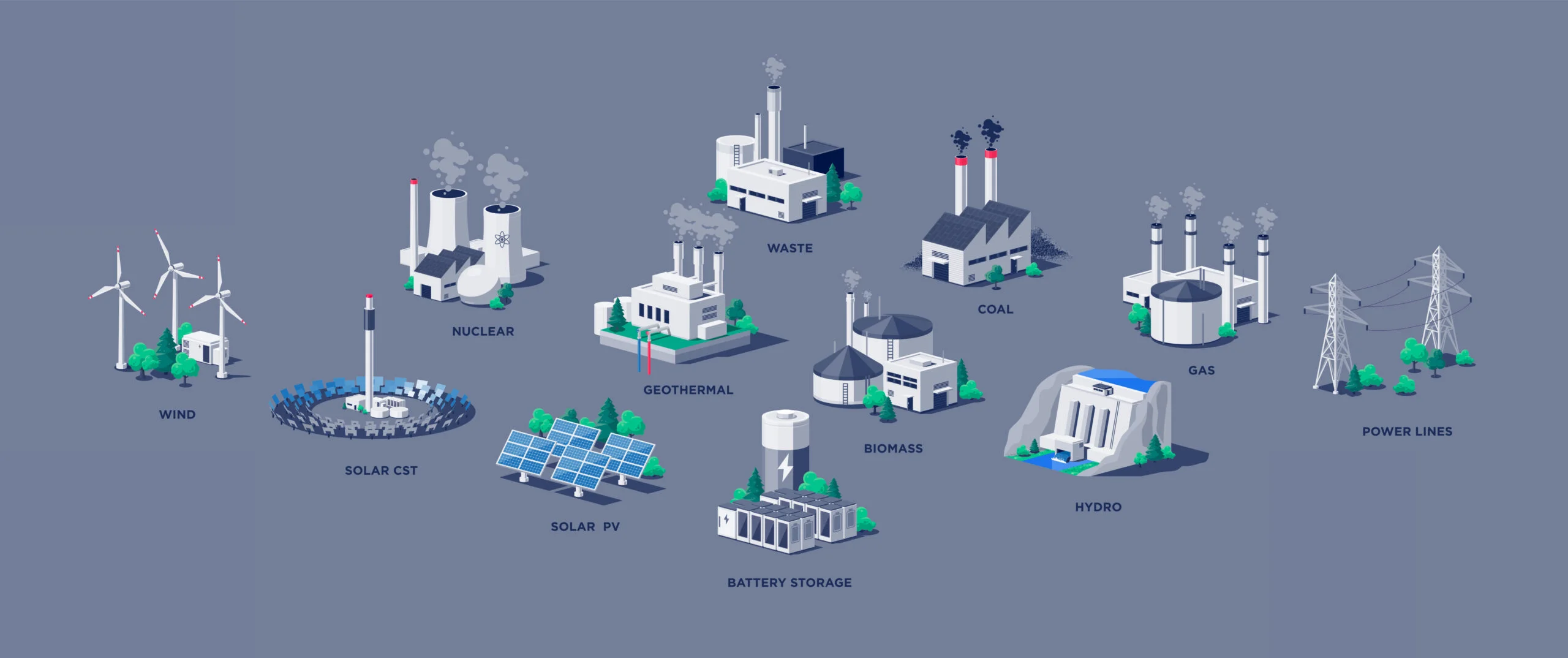
Black Friday has existed for nearly a century, a nod to post-Thanksgiving retail sales intended to drive consumerism as a lead-up to the holiday season. As such, the phrase "Black Friday" has become synonymous with deals, with finding the best discounts on popular items. While energy markets provide opportunities to shop for resources, these costs are driven by supply and demand; utilities—regulated or not—purchase energy based on available resources, often through G&T operations or local energy markets. Still, [distributed energy resources (DERs)](https://virtual-peaker.com/blog/distributed-energy-resource/) like solar, battery energy storage systems, electric vehicles (EVs) and EVSE chargers, and smart home devices like thermostats and water heaters provide opportunities for the demand flexibility initiatives needed to conserve and distribute energy when and where is required, cutting down on high peak energy costs while enhancing grid resiliency. 

## The State of Clean Energy

According to the U.S. Energy Information Administration, [U.S. energy production has increased faster than energy consumption over the last 50 years](https://www.eia.gov/todayinenergy/detail.php?id=63544). Currently, [renewable energy generates more than 20% of U.S. electricity](https://www.energy.gov/eere/renewable-energy), a figure that promises to grow during the energy transition away from finite fossil fuel sources like coal or petroleum. Not only do [the majority of Americans support renewable energy initiatives](https://www.pewresearch.org/science/2023/06/28/majorities-of-americans-prioritize-renewable-energy-back-steps-to-address-climate-change/), but a comparably [high percentage of Americans support carbon neutrality goals](https://www.pewresearch.org/science/2022/03/01/americans-largely-favor-u-s-taking-steps-to-become-carbon-neutral-by-2050/). Paralleling these studies, the [J.D. Power 2024 Electric Utility Business Customer Satisfaction Study](https://www.jdpower.com/business/press-releases/2024-electric-utility-business-customer-satisfaction-study) found that higher customer satisfaction rates corresponded with affordable billing. Fortunately, distributed energy resources (DERs) combine these two elements to provide clean, renewable energy to consumers [while defraying the high costs of peak energy purchases](https://www.cnet.com/home/energy-and-utilities/features/the-us-power-grid-has-a-problem-your-house-could-help-solve-it/) or expensive and dirty peaker plants.

### ![How Distributed Energy Resources (DERs) Make Everyday Black Friday 1](https://virtual-peaker.com/wp-content/uploads/2024/11/unnamed-4-300x191.jpg)Virtual Energy Plants

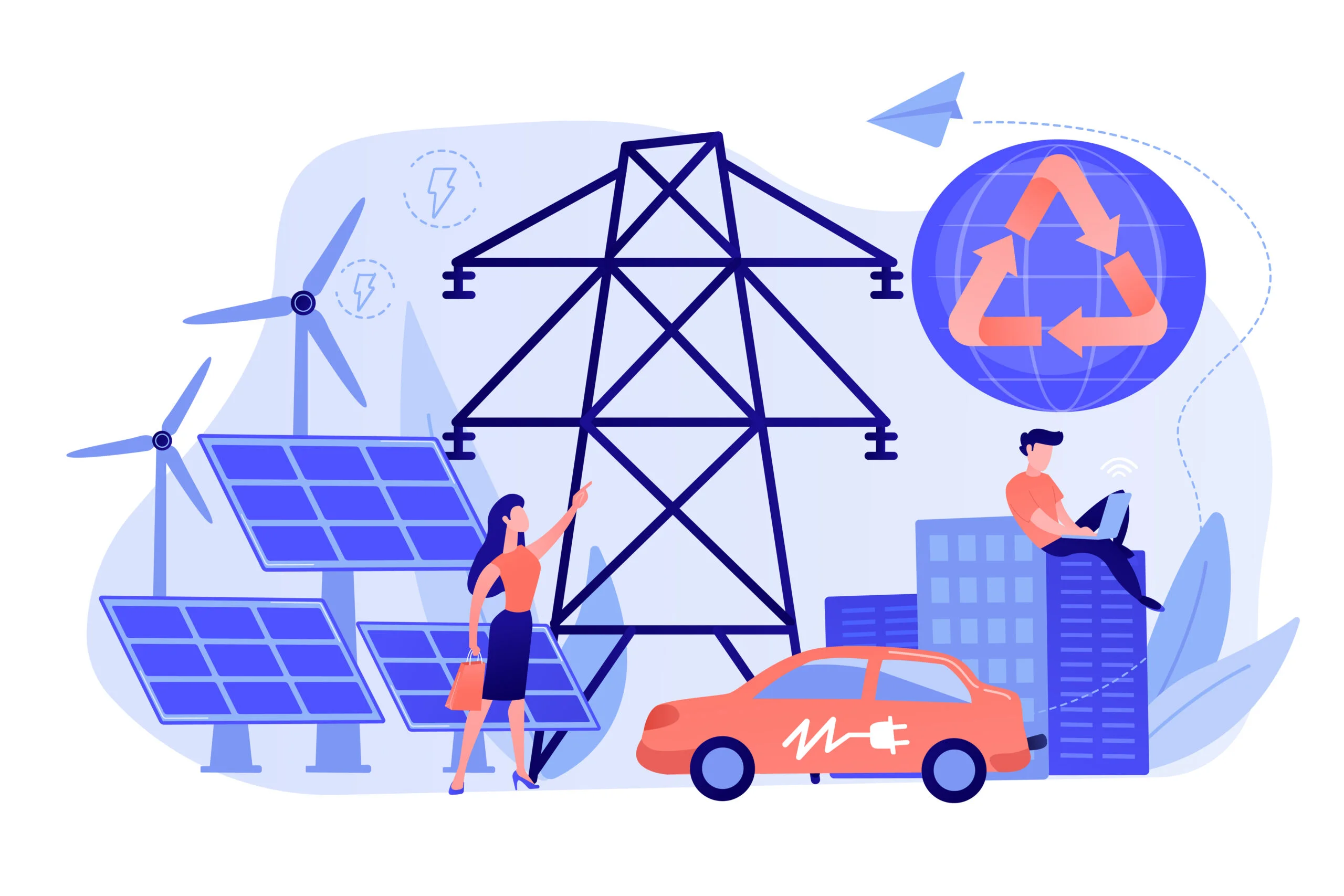
Over the years, virtual power plants, which aggregate and manage otherwise disparate distributed energy resources (DERs) using a [distributed energy resource management system (DERMS)](https://virtual-peaker.com/platform/derms-suite/) for use in demand flexibility initiatives like [demand response](https://virtual-peaker.com/solutions/demand-response/) or [EV managed charging](https://virtual-peaker.com/solutions/ev-charging/), have shifted from buzzword to reality. In fact, last year [the DOE released a report](https://virtual-peaker.com/wp-content/uploads/2025/09/2025-Jan-LIFTOFF_DOE_VirtualPowerPlantsUpdate.pdf) calling for U.S. virtual power plant capacity to reach 80-160 GWh by 2030. Currently, U.S. virtual power plant capacity is around 30-60 GWH, primarily attributable to demand response programs. The good news? The distributed energy resource market is growing exponentially, providing valuable opportunities for utilities to defray high costs through concerted conservation tactics and more.

## Demand Response

Of all demand flexibility programs, demand response has the longest track record for proving valuable. As of 2022, [10.3 million U.S. customers were enrolled in demand response programs](https://www.statista.com/statistics/669480/electricity-demand-response-customers-in-the-us/), which conserved over [one terawatt-hour of energy in the residential sector](https://www.statista.com/statistics/669502/energy-savings-from-electricity-demand-response-programs-in-the-us/). Demand response is a tried and time-tested solution that leverages the Internet of Things to aggregate distributed energy resources (DERs), often thermostats or water heaters, to decrease total demand in a given area. Demand response not only decreases peak energy expenditures but supports [energy arbitrage](https://virtual-peaker.com/blog/buy-low-use-high-energy-arbitrage-explained/) strategies by offering an alternative to costly energy market purchases.

## EV Charging

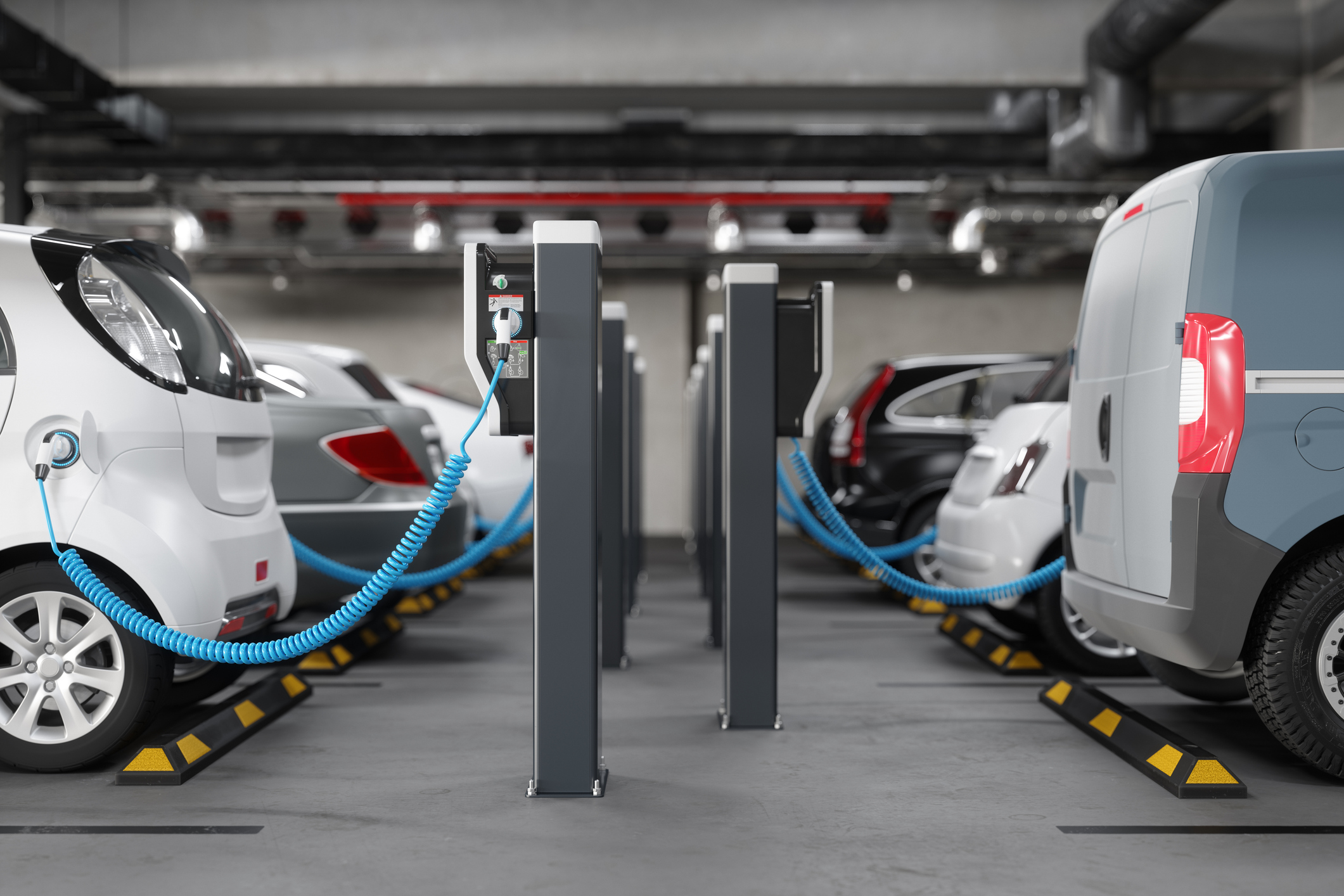
Electric vehicles have confounded traditional load curves by shifting demand to previously off-peak hours of consumption. Fortunately, as the market continues to grow, EV and their related charging accouterment are useful distributed energy resource (DER) assets for use in EV charging conservation programs. With around [64% of Americans within a 2-mile proximity to public EV charging stations](https://www.pewresearch.org/data-labs/2024/05/23/electric-vehicle-charging-infrastructure-in-the-u-s/) and [ambitious infrastructure plans](https://virtual-peaker.com/blog/the-inflation-reduction-act-distributed-energy-resources-energy-efficiency/) yet on the horizon, EV managed charging provides an opportunity to curtail demand during peak periods of usage, decreasing costly peak energy purchases and increasing grid resiliency by shifting charging times to off-peak periods of consumption.

## Battery Energy Storage Systems

U.S. battery energy storage system capacity is expected to [nearly double this year](https://www.firetrace.com/fire-protection-blog/us-battery-storage-capacity-expected-to-double-in-2024), attributable to higher adoption rates of BESS as well as the expansion of the battery belt which has led to an influx in clean energy jobs in the U.S. [Grid-scale batteries are instrumental](https://cleantechnica.com/2024/11/22/the-great-grid-scale-battery-boom-comes-to-the-us/) in both demand flexibility programs and energy arbitrage strategies alike, provide multiple potential streams of revenue, while in turn shoring up grid resiliency.

## Solar Power

The [International Energy Agency (IEA) reports](https://www.energy.gov/eere/solar/quarterly-solar-industry-update) that the U.S. installed 15.6 GW of solar capacity in the first and second quarters of 2024, an increase of 55% from the previous record achieved during the same two quarters in 2023. [Solar power continues to exceed global expectations](https://www.canarymedia.com/articles/solar/chart-solar-power-is-shattering-global-records), with solar capacity increasing to an enormous 428 gigawatts by August 2024, more than the previous two years combined. As distributed energy resources, both solar and solar inverters provide clean and affordable energy that decreases the reliance on expensive fossil fuels while creating a path to greater energy security and decreased energy costs.

## How Distributed Energy Resources (DERs) Make Everyday Black Friday Conclusion

While shopping for deals in the energy market may not be a prudent idea, distributed energy resources provide many benefits to utilities seeking to defray high peak energy costs, while enhancing grid resiliency. With DER assets gaining public acceptance and adoption, these opportunities—both in front of and behind the meter— for demand flexibility initiatives will only increase: utilities can easily scale to meet demand. While you may not find affordable energy at a discount or have to wait in line early on Friday, distributed energy resources are here to stay and continue to demonstrate their efficacy and capacity to lower prices through aggregate conservation, distribution, and more.

---

## Categories

- Sustainability

---

## Navigation

- [Platform](https://virtual-peaker.com/platform/)
- [Grid-Edge DERMS](https://virtual-peaker.com/platform/derms-suite/)
- [Customer Engagement](https://virtual-peaker.com/platform/customer-engagement-suite/)
- [Forecasting](https://virtual-peaker.com/platform/forecasting-suite/)
- [Investor-Owned Utilities](https://virtual-peaker.com/investor-owned-utilities/)
- [Municipal Utilities](https://virtual-peaker.com/municipal-utilities/)
- [Cooperatives](https://virtual-peaker.com/cooperatives/)
- [Bring Your Own Device](https://virtual-peaker.com/solutions/bring-your-own-device/)
- [Customer Engagement](https://virtual-peaker.com/customer-engagement/)
- [Demand Response](https://virtual-peaker.com/demand-response/)
- [EV Charging](https://virtual-peaker.com/ev-charging/)
- [Incentive Processing](https://virtual-peaker.com/incentive-processing/)
- [Program Design](https://virtual-peaker.com/program-design/)
- [Program Management Automation](https://virtual-peaker.com/program-management-automation/)
- [Localized Dispatch](https://virtual-peaker.com/localized-dispatch/)
- [Virtual Power Plants](https://virtual-peaker.com/topline-demand-control/)
- [APIs](https://virtual-peaker.com/solutions/apis/)
- [Device Partners](https://virtual-peaker.com/partners/device-partners/)
- [Utility Partners](https://virtual-peaker.com/partners/utility-partners/)
- [Resources](/resource-center/)
- [Blog](/resources/?post_types=post)
- [US Customers](https://utility.virtualpeaker.io/#/logon)
- [CA Customers](https://utility.ca.virtualpeaker.io/#/)
- [LET’S CHAT](/demo-request/)
- [Resources](https://virtual-peaker.com/resource-center/)
- [Careers at Virtual Peaker](https://virtual-peaker.com/company/careers/)
- [Do you need support?](https://virtual-peaker.com/company/contact/)

---

## Footer Links

- [info@virtual-peaker.com](mailto:info@virtual-peaker.com)
- [Device Partners](https://virtual-peaker.com/partners/device-partners/)
- [Utility Partners](https://virtual-peaker.com/partners/utility-partners/)
- [Investor-Owned Utilities](https://virtual-peaker.com/investor-owned-utilities/)
- [Municipal Utilities](https://virtual-peaker.com/municipal-utilities/)
- [Cooperatives](https://virtual-peaker.com/cooperatives/)
- [About](https://virtual-peaker.com/company/)
- [Our Team](https://virtual-peaker.com/team/)
- [Diversity](https://virtual-peaker.com/diversity-equity-inclusion/)
- [Careers](https://virtual-peaker.com/company/careers/)
- [Contact Us](https://virtual-peaker.com/company/contact/)
- [Newsroom](/resources/?post_types=news)
- [Sustainability](https://virtual-peaker.com/company/sustainability/)
- [Privacy Policy](/privacy-policy/)
- [Terms of Use](/terms-of-use/)