Platform
 Grid-Edge DERMS
 Customer Engagement
 Demand Forecasting
 BYOD
BYOD Customer Engagement
 Demand Response
 EV Charging
 Incentive Processing
 Program Design
 Program Management Automation
 Flexible Dispatch
 Virtual Power Plants
 API Integrations
 C&I
C&I
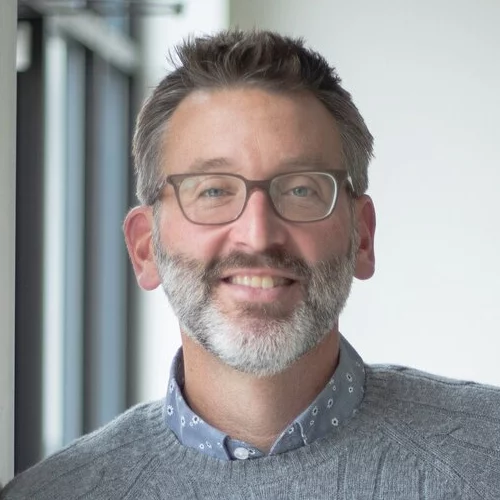
For our new Senior Account Executive, Michael Biden, the energy transition is at an inflection point and the time to act is now to avoid greater challenges to our national grid. To help fix that, Michael joined Virtual Peaker to help connect utilities with the demand flexibility solutions needed to meet rapidly rising demand. Without further ado, join us in welcoming Michael to the Virtual Peaker team!
How did your previous life prepare you for Virtual Peaker?
For the past 10 years, I’ve worked closely with large North American utilities. My background has been focused on two key areas:
- Asset Management: Understanding the immense pressure utilities have to keep the physical grid reliable and how new assets impact that reliability.
- Customer Solutions: Designing programs that actually get customers excited to participate and stay enrolled.
I joined Virtual Peaker because I’m convinced we’re at a tipping point for the grid. Managing behind-the-meter assets isn’t just a ‘nice to have’ anymore; it’s a necessity for avoiding an energy crisis during the energy transition.
Tell us about your role at Virtual Peaker.
I’m a Senior Account Executive here to drive new business with IOUs in the Eastern U.S. and Canada. The legacy electricity system was built for a one-way, predictable flow of power. Today, utilities are facing a ‘perfect storm’ of skyrocketing demand from automation and data centers, coupled with the need for rapid decarbonization.
Connecting IOUs with demand flexibility is vital because it transforms passive customers into active grid assets. Instead of defaulting to costly and slow infrastructure build-outs, utilities can use software to orchestrate existing load resulting in improved affordability for ratepayers and ensuring a more sustainable, resilient grid.
How do you personally engage in sustainability efforts?
I focus on macro-level sustainability. While I time my own home’s energy use to avoid waste, I spend my professional life helping North American utilities transition from an inefficient, one-way grid to a dynamic, 2-way system. To me, the most sustainable thing we can do during the energy transition is optimizing the energy we already have through better orchestration.
What can you tell us about yourself?
Lifelong hockey player and Chicago sports enthusiast. When I’m not on the ice myself, I’m usually cheering on the Blackhawks, Bears, or Cubs.
Come work with us to help change the world!