Platform
 Grid-Edge DERMS
 Customer Engagement
 Demand Forecasting
 BYOD
BYOD Customer Engagement
 Demand Response
 EV Charging
 Incentive Processing
 Program Design
 Program Management Automation
 Flexible Dispatch
 Virtual Power Plants
 API Integrations
 C&I
C&I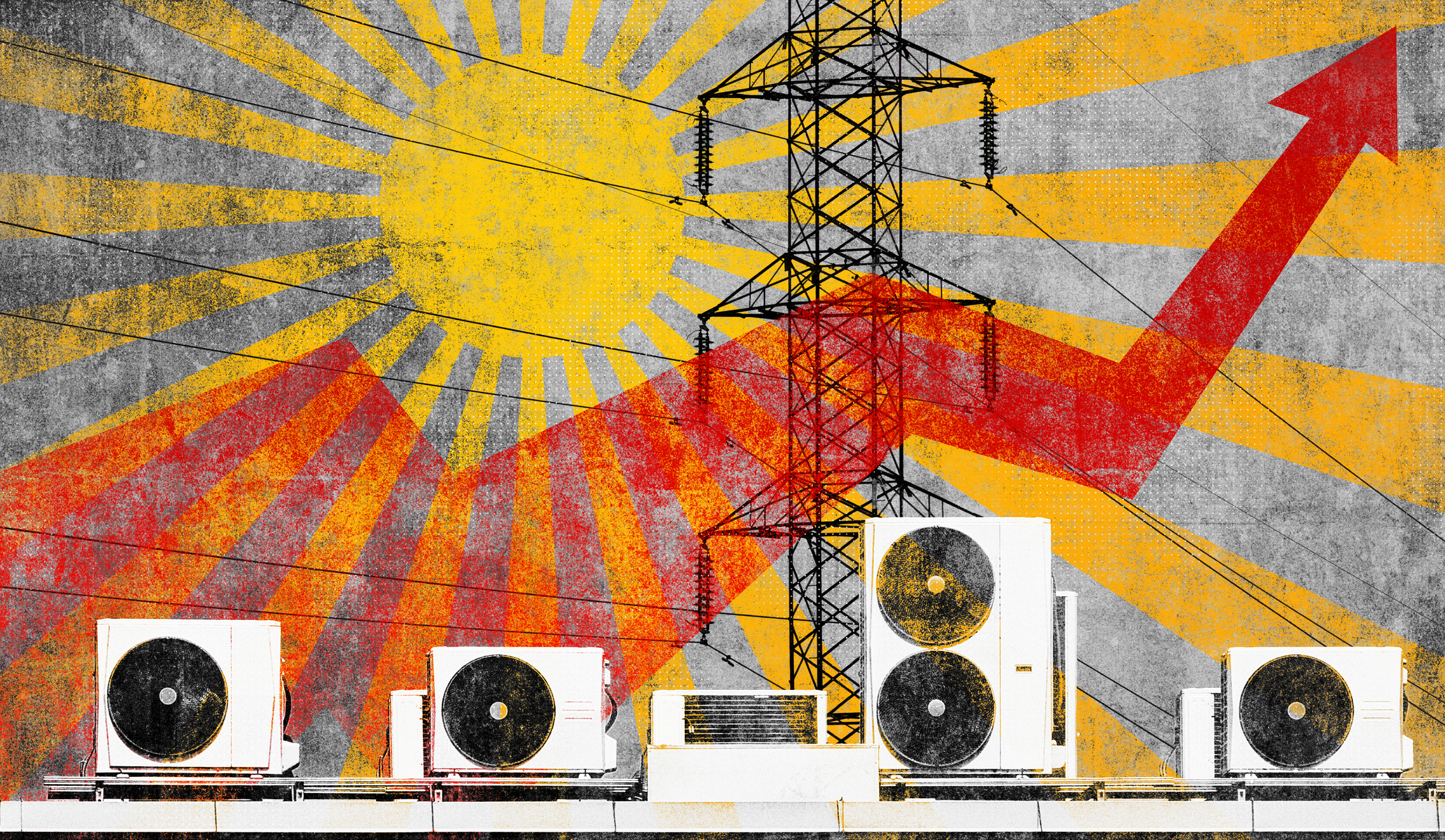
A recent study found that Americans are paying as much as $900 a year in costs directly related to climate change. This figure includes increases to insurance rates, which have risen approximately 33% between 2020 and 2023, and damages caused by wildfires or wind storms, for an aggregate total between $50 and $110 billion per year and rising. For utilities, climate change is equally expensive, as weather-related events cause 78% of major outages in the U.S., costing utilities an additional 25% in annual expenses in lost revenue and infrastructure repair. Fortunately, non-wires alternatives, including demand flexibility initiatives like virtual power plants and demand response, can ameliorate the costs associated with climate change while enhancing grid resiliency.
Climate Change is Weather Change
Over the summer, the Department of Energy released a highly contested report minimizing the impacts of greenhouse gas emissions. Despite this statement, the broader scientific consensus supports that climate change is accelerated by human actions and that there is a direct correlation between extreme weather events and climate change. For utilities, the result of these phenomena is highly expensive: energy insecurity, increased outages, physical infrastructure repairs, and more, all of which cut into already thin revenue margins, while driving up costs for customers. Let’s look at some specific examples below to demonstrate how climate change is directly impacting the utility landscape.
1: Transmission Lines: Wildfires & Hurricanes
Between 2023-24, wildfire damages accounted for between 10-24% of total revenue costs for California electric utilities. This has led to greater operational costs, as well as higher customer bills, which in turn have resulted in customer lawsuits against utilities. Unfortunately, despite the increasing prevalence of wildfire, many utilities remain unprepared, a disaster waiting to happen.
Hurricanes have cost more than $1.4 trillion between 2015-24, and accounted for more than 80% of outages in 2024 alone. Like wildfires, hurricanes damage physical infrastructures, ripping transmission lines down, while damaging substations and more, in turn driving up costs. Compounding this issue, burying power lines is extremely cost-prohibitive, leaving fewer options to protect critical infrastructure at an affordable rate.
Solution: Flexible Dispatch & Distributed Energy Resources
While non-wires alternatives like demand flexibility programs will not resolve these issues, they can serve as real-time mitigations to climate change through aggregate conservation and redistribution of communally-generated distributed energy resources (DERs) to replenish the grid and minimize high energy market costs.
Likewise, through the use of distributed energy resource management systems (DERMS), utilities can leverage DERs to shift load to where and when it’s needed. Furthermore, flexible dispatch functionality provides opportunities for utilities to mitigate grid congestion, allowing for a more targeted approach to load shifting that is especially pertinent during grid events.
2: Heatwaves
The Environmental Protection Agency (EPA) reports that average global temperatures have risen more than 60% since 1970, with projections that heatwaves will become increasingly common as a result of climate change. These high temperatures drive up electric demand as customers cool their homes. Beyond merely driving up demand, heatwaves reduce turbine efficiency by up to 25%, while minimizing the outputs of solar by between 10 to 25%. By every metric, heatwaves strain the grid while raising demand.
Solution: Demand Response
One of the oldest demand flexibility initiatives, demand response is an aggregate conservation strategy that leverages DERMS to manage DERs like thermostats to minimize usage during peak demand. Demand response works by minimizing consumption during peak times of usage; for example, BYOD thermostat programs work by decreasing temperature setpoints, thus minimizing usage. This means less demand to meet, as well as less demand to congest or challenge physical infrastructure, while in turn enhancing grid resiliency and lowering peak energy market costs.
3: Cold Snaps
Because the air is warming, more water evaporates than it might otherwise, leading to the potential for higher precipitation patterns, which have caused the erratic cold snaps that have surprised regional operators in recent years. Famously, ERCOT struggled with this during an unprecedented cold snap that gripped Texas in the winter of 2021, leading to statewide blackouts and costly utility bills for customers. Since then, Texas legislators have rapidly set weather emergency preparedness standards to minimize the possibility of similar events.
Solution: Winter Demand Response & Robust Forecasting
Often associated with warm weather, demand response is a temperature-agnostic strategy useful in many instances. As such, winter demand response works identically to any other demand response initiative, by curtailing aggregate demand during peak periods of usage. Fortunately, rich forecasting tools are also available to help mitigate the potential of utilities getting caught unprepared to meet demand during grid events that involve temperature extremes, as utilities can plan for their energy needs and inform their purchases.
4: Climate Change & the Supply Chain
The temperature extremes and erratic weather caused by climate change pose a serious challenge to physical infrastructure, both in terms of potential damage and in disrupting an already backlogged supply chain. For example, transformers alone have a wait time of nearly three years, drastically slowing upgrades or necessary replacements. These supply chain issues are further compounded by tariffs that target things like the essential distributed energy resources (DERs) necessary to implement a successful demand flexibility strategy.
– Syd Bishop, Sr. Content Specialist, Virtual Peaker
Furthermore, earlier this year, the American Society of Civil Engineers (ASCE) released its 2025 Infrastructure Report Card, which gave U.S. energy infrastructure a D+. In short, utilities are faced with an aging grid, a supply chain backlog, tariffs on critical technologies, and rapidly increasing demand. So what can be done?
Solution: Virtual Power Plants
Research indicates that virtual power plants are 40-60% less expensive than building a new power plant, and much quicker. Remember: the distributed energy resources (DERs) required to realize a virtual power plant are often already here, whether in utility-owned solar or battery installations, or behind-the-meter at the grid’s edge in places like residential, commercial, and industrial properties.
As such, these non-wires alternatives can ameliorate supply chain challenges, providing a viable solution to meeting demand, while mitigating the effects of climate change by employing more renewables. Through the use of Topline Demand Control, which optimizes behind-the-meter DERs at a granular level, grid operators can bank on the predictable outcomes needed to reliably meet demand.
5: Energy Supply Disruptions
Climate change doesn’t just disrupt supply chains or damage infrastructure; it slows down energy production. As noted above, heatwaves can adversely affect the efficacy of both transmission lines and solar panels by a substantial percentage. Likewise, as climate change increases demand due to temperature extremes and volatile weather, it in turn lowers the total volume of available load to shift anywhere, including from energy markets to utilities in need, thereby raising the likelihood of outages.
Solution: Conservation & Flexible Dispatch
Non-wires alternatives are especially important in this context as a comprehensive response to climate change, by leveraging more from less. By shifting load to off-peak periods of demand, utilities can lower grid congestion and enhance resiliency. Likewise, flexible dispatching functionality can target transmission challenges like downed or strained transformers or overtaxed transmission lines by redirecting where and how power flows and from whom.
6: Increased Outages = More Energy Insecurity & Less Revenue
Reports indicate that extreme weather-related blackouts are estimated to cost between $20 and $55 billion annually in the U.S. alone. Outages are an especially challenging outcome for electric utilities; not only are customers without power, but revenue is lost while damage costs mount. Climate change exacerbates these challenges by adding stress to an already fragile grid.
Solution: Non-Wires Alternatives
Upgrading the U.S. power grid would cost nearly $5 trillion, a figure that only promises to increase with time and further obstacles. Unfortunately, relying on previous methods is equally inefficient, as Michigan utilities learned after a planned fossil fuel plant retirement was deferred in August 2025. This deferral cost the utility $29 million in additional operational costs in just over a month, with projections up to $6 billion in additional costs by the end of the year, making this strategy as expensive as it was ineffectual.
– Syd Bishop, Sr. Content Specialist, Virtual Peaker
Non-wires alternative offer an affordable alternative that leverages existing tools like both utility-owned and BTM DERs in either aggregate conservation strategies, as part of an energy arbitrage strategy, or to redistribute power where and when it’s needed. These programs come at a fraction of the cost and, even in limited use, have already achieved 1 terawatt-hour of energy savings in 2022 alone. With effective communication, demand flexibility programs can scale to meet needs by employing communally available technologies to defray high operational costs, strengthen energy security, and lower peak energy market expenses.
Conclusion: 6 Ways Climate Change Is Reshaping the Utility Playbook
Peak demand is projected to grow by roughly 26% by 2035, driven by AI and data center developments, supply chain and tariff challenges, and the increased temperature extremes and erratic weather behavior relative to climate change. While demand flexibility programs like virtual power plants or demand response will not singularly resolve these issues, they each provide an affordable opportunity for utilities to better meet rising demand and enhance grid resiliency, while minimizing operational and customer costs.
Learn How MMWEC Uses Demand Response To Increase Grid Resiliency & Lower Operational Costs