Platform
 Grid-Edge DERMS
 Customer Engagement
 Demand Forecasting
 BYOD
BYOD Customer Engagement
 Demand Response
 EV Charging
 Incentive Processing
 Program Design
 Program Management Automation
 Localized Dispatch
 Virtual Power Plants
 API Integrations
 C&I
C&I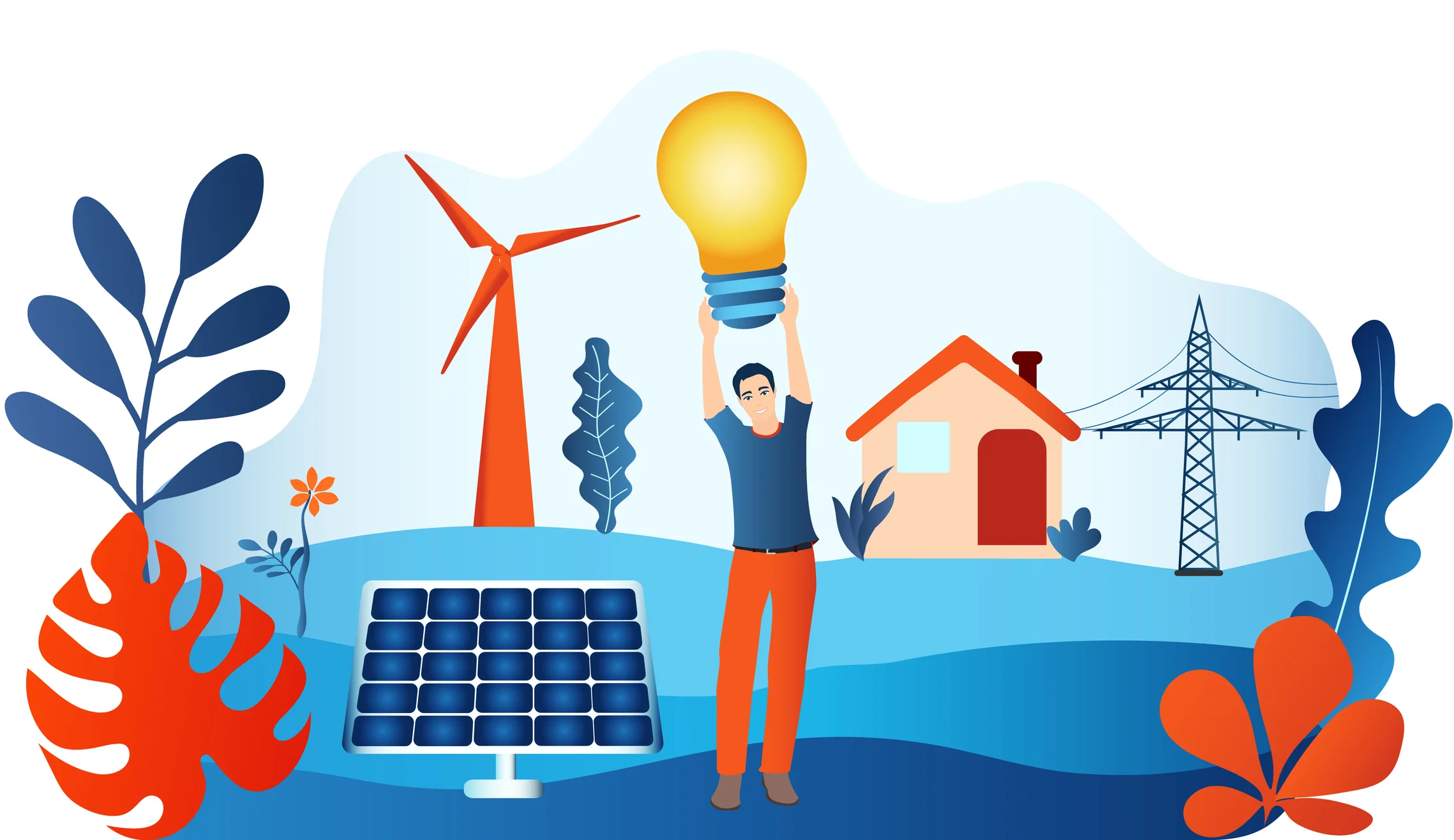
With electric demand spiking, driving up costs and uncertainty in grid reliability, the relationship between the electric utility and the customer has reached a definitive turning point. With more distributed energy resources (DERs) on the market and behind-the-meter in places like residential, commercial, and industrial properties, we’re no longer dealing with passive ratepayers who simply receive a monthly bill; we are operating in the era of the prosumer.
As industry professionals, we know the pressures are mounting. Electric demand is rising exponentially, fueled by the massive development of AI and data centers. Simultaneously, global supply chain constraints and shifting tariffs have made physical infrastructure updates both slower and more expensive. Add in the erratic weather patterns and temperature extremes caused by climate change, and the grid is under more stress than ever before.
To survive this perfect storm of challenges, utilities must look to the grid edge. Unlocking the potential of BTM DERs requires a new approach to utility customer engagement that leverages marketing principles to foster scalability in demand flexibility initiatives like virtual power plants (VPPs), demand response, or EV charging.
Defining the 2026 Prosumer
The term prosumer—–one who both produces and consumes energy—–has evolved. Today’s prosumers are no longer merely tech enthusiasts, but pragmatic homeowners looking for resiliency against climate-driven outages and rising energy costs. Through both the Internet of Things and the influx of WiFI-enabled DER assets, the distribution of electricity is no longer one-directional. Whether intentional or not, prosumers are effectively operating their own micro-generating plants. For a utility, the challenge is shifting from a command and control mindset to one that utilizes these BTM DER assets through aggregate grid-scale orchestration.
The Motivational Spectrum: Financial Incentives vs. Altruism
To successfully market demand flexibility programs, utilities must appeal to the two primary drivers of prosumer psychology: economic rationality and environmental altruism.
1. The Economic Driver: What’s in it for me?
In an era of inflation and rising rates, financial incentives remain the most powerful tool for enrollment. However, in 2026, while a one-time rebate may entice customers to enroll, it is no longer enough to ensure their continued participation. Ultimately, prosumers want ongoing value.
- Performance-Based Incentives: Moving beyond flat credits to pay-for-performance models where prosumers are rewarded for the actual kilowatt-hours they shift during a peak event.
- Gamification: Utilities that show total savings through a customer engagement portal can drive higher retention. For example, when a prosumer sees that their smart thermostat or EV helped them save $50 during a heatwave, they’re more likely to participate in the next event.
- Bypassing the Tariff Trap: With tariffs making new solar panels more expensive, utilities can offer incentives that lower the total cost of ownership for BESS or EVSE, creating a win-win for grid resiliency and the customer’s bottom line.
2. The Altruistic Driver: How can I help?
While financial gains get people in the door, altruism keeps them there. Prosumers are often hyper-aware of their carbon footprint.
- The Carbon Offset Narrative: Marketing should emphasize how sharing energy during a grid event prevents the utility from firing up dirty, carbon-intensive, and costly peaker plants, which act as city-wide backup generators.
- Community Resiliency: In the wake of temperature extremes, people want to know they are helping their neighbors stay safe. Appealing to the collective good of maintaining grid stability during a wildfire or freeze is a massive motivator for those who are already environmentally conscious.
The 2026 Challenge: Overcoming “Complexity Fatigue”
The biggest hurdle to prosumer participation today is complexity. Between supply chain delays for parts and the sheer variety of smart devices, customers are overwhelmed. This is where a Grid-Edge DERMS becomes a marketing tool.
– Amber Mullaney, VP of Marketing, Virtual Peaker
By providing a single, seamless interface—a set it and forget it experience that lowers barriers to customer access—utilities can reduce the cognitive load on the prosumer. If the technology is too hard to use, the prosumer will keep their energy for themselves. If it’s integrated and invisible, they will share it.
The Psychology of the Prosumer: Conclusion
Meeting demand, let alone achieving net-zero goals, in the face of AI-driven demand requires a partnership. By leveraging the BTM DERs already in prosumer homes, utilities gain the firm capacity needed to replace expensive fossil fuel plants set for retirement. Finally, by understanding the psychology of the prosumer—balancing their need for financial return with their desire for a sustainable future—utilities can transform the grid edge from a source of uncertainty into the foundation of a resilient energy ecosystem.
Connect with your customers with the Relay Customer Engagement Suite