Platform
 Grid-Edge DERMS
 Customer Engagement
 Demand Forecasting
 BYOD
BYOD Customer Engagement
 Demand Response
 EV Charging
 Incentive Processing
 Program Design
 Program Management Automation
 Localized Dispatch
 Virtual Power Plants
 API Integrations
 C&I
C&I
As energy usage spikes, leading to $9.2 billion in rate increase requests that have driven higher customer bills, and operational costs, distributed energy resources (DERs) have become one of the most practical tools for addressing this problem. Coordinated at scale, DERs help slow the rise of costs that get passed on to everyone, not just the households that own the technology.
In This Article
- What is a Distributed Energy Resource?
- The Affordability Crisis Explained
- The Link Between Demand Flexibility & Lower Costs
- How DER Programs Benefit Participants
- Program Design: Lowering Barriers to Customer Participation
- The Equitable Grid Explained
- Conclusion
What Counts as a Distributed Energy Resource
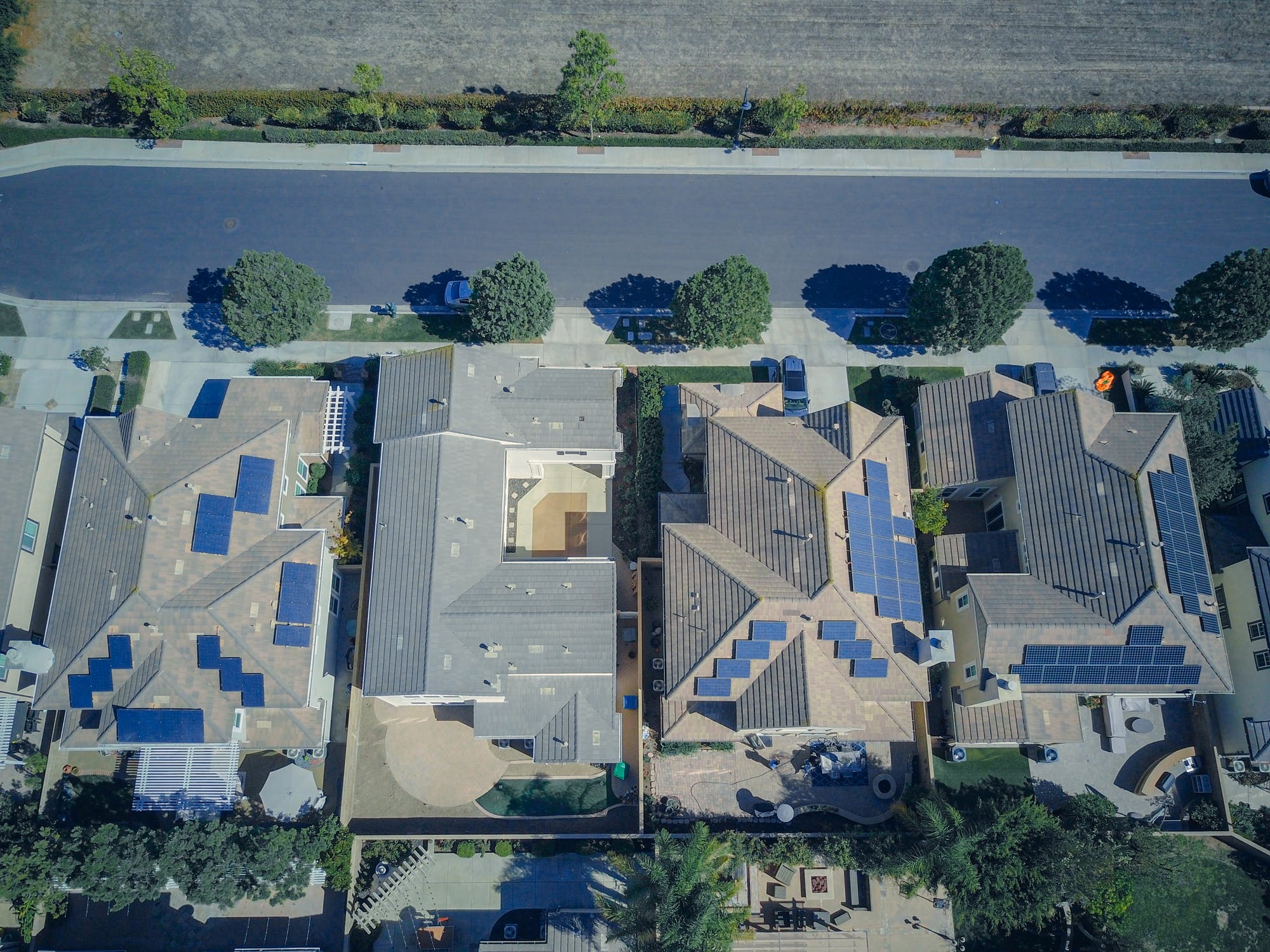
Distributed energy resources (DERs) are any small-scale, behind-the-meter asset that generates, stores, or manages electricity closer to where it’s used, rather than at a centralized power plant. Common examples include:
- Rooftop solar panels and home battery storage
- Smart thermostats and connected water heaters
- EV chargers
- Commercial and industrial equipment like backup generators and building energy management systems
Aggregated and coordinated through software, these devices start to behave like a flexible, distributed power plant a utility can call on when it needs it most.
High Energy Costs & Customer Satisfaction
The AI data center boom has driven electric demand to new highs, which is compounded by increasingly volatile weather patterns and temperature extremes, and complicated through electrification efforts. As such, states are taking direct actions to mitigate these rising costs, both to support community needs and decrease mounting operational costs.
Unfortunately, these rising energy costs are consuming a larger share of household budgets than they did just a few years ago, and the pain isn’t distributed evenly.
- Low-income households carry an average energy burden of about 8.6% of income, nearly three times the burden of other families
- As of February 2026, roughly 21.5 million U.S. households are currently behind on their energy bills
- Rising rates, extreme weather, and aging grid infrastructure are pushing affordability to the top of the agenda for utilities and regulators alike
For utilities, the affordability crisis hits twice: customer credit risks rise, as do operational costs. Utilities are risking more credit liability, while also challenged to keep up with demand. Fortunately, the proliferation of BTM distributed energy resources presents an opportunity to help communities, reduce operational costs, and enhance grid resiliency.
The Link Between Demand Flexibility & Lower Costs
Utilities spend heavily to build and maintain aging infrastructure for peak demand, the relatively short —but growing— windows each year when usage spikes and costs soar. That capacity is expensive, and it’s a major driver of the infrastructure costs that eventually land on customer bills.
Demand flexibility programs like demand response leverage DERs to flatten those peaks by shifting or reducing load during high-cost hours, such as:
- Pre-cooling a home before a heat wave
- Delaying a water heater’s cycle by thirty minutes
- Shifting EV charging to off-peak hours
By avoiding or deferring new peaker plants, substations, and transmission lines, utilities reduce capital costs that are typically recovered from all ratepayers. When even a subset of customers participates in demand flexibility, the savings tend to ripple outward.
Virtual power plants (VPPs) take this further, aggregating thousands of DERs and dispatching them as a coordinated resource, a lower-cost alternative to fossil-fuel peaker plants; research indicates that VPPs are 40-60% more affordable compared to traditional options. In terms of grid reliability, VPPs are moving from novelty to necessity with direct implications for affordability: every megawatt of flexible capacity is a megawatt that doesn’t need to be built and paid for through rates.
Direct Financial Benefits for Participating Households
Beyond system-wide savings, distributed energy resource (DER) programs typically offer more immediate value to enrolled households:
- Bill credits and rebates for shifting usage to off-peak hours
- Reduced electricity rates tied to program participation
- Lower fueling costs from managed EV charging
- Modest, ongoing savings from smart thermostat and water heater programs, in exchange for brief, barely noticeable adjustments
Program incentives are crucial to securing the necessary customer buy-in to enhance enrollment and participation rates. Well-run incentive processing systems help utilities get that value into customers’ hands quickly and transparently.
Why Access & Program Design Matter
The affordability case for distributed energy resources (DERs) isn’t automatic; it depends on who can actually access these programs.
- Rooftop solar and battery storage carry upfront costs that put them out of reach for many lower-income households, even though those households often carry the highest energy burdens
- The Department of Energy’s Low-Income Energy Affordability Data tool has found that low-income communities face real barriers to accessing energy technologies that could lower their bills
- Bring-your-own-device models, which let customers enroll existing smart thermostats, water heaters, or EV chargers rather than buy new hardware, lower the barrier to participation considerably
Thoughtful program design paired with strong customer engagement, clear communication, simple enrollment, and visible savings, helps programs reach a broader cross-section of customers, not just those who were already inclined to adopt clean energy technology.
Policy is reinforcing this shift. While the Inflation Reduction Act provided provisions including home efficiency and electrification rebates, contemporary legislation is working diligently to regulate and mandate the challenges of increasing electric demand by incentivizing participation in demand flexibility programs or streamlining programmatic overlap.
Equity & The Grid: How To Make a Grid That Works Better for Everyone
The connection between distributed energy resources (DERs) and affordability comes down to a simple idea: a more flexible grid costs less to operate.
- Every peak avoided through demand response
- Every megawatt delivered by a virtual power plant instead of a new peaker plant
- Every incentive dollar that reaches a customer’s bill
Altogether, these strategies add up to a system that’s cheaper to run, for participants and the broader customer base alike. In fact, research indicates that while distributed energy resources account for less than 5% of the national energy portfolio, that number is growing. Analysis indicates that the U.S. is on track to increase DER capacity to 216 GW by 2028, demonstrating promising growth and potential.
How Distributed Energy Resources Support Energy Affordability Efforts Conclusion
Distributed energy resources (DERs) aren’t a complete fix for energy affordability on their own. Housing quality, income inequality, and rate design all still shape who carries the heaviest burdens. But as more homes and businesses bring flexible devices online, DERs are proving to be one of the more scalable, immediate tools for bending the cost curve in the right direction.
Do you have the right demand response solution?