Platform
 Grid-Edge DERMS
 Customer Engagement
 Demand Forecasting
 BYOD
BYOD Customer Engagement
 Demand Response
 EV Charging
 Incentive Processing
 Program Design
 Program Management Automation
 Localized Dispatch
 Virtual Power Plants
 API Integrations
 C&I
C&I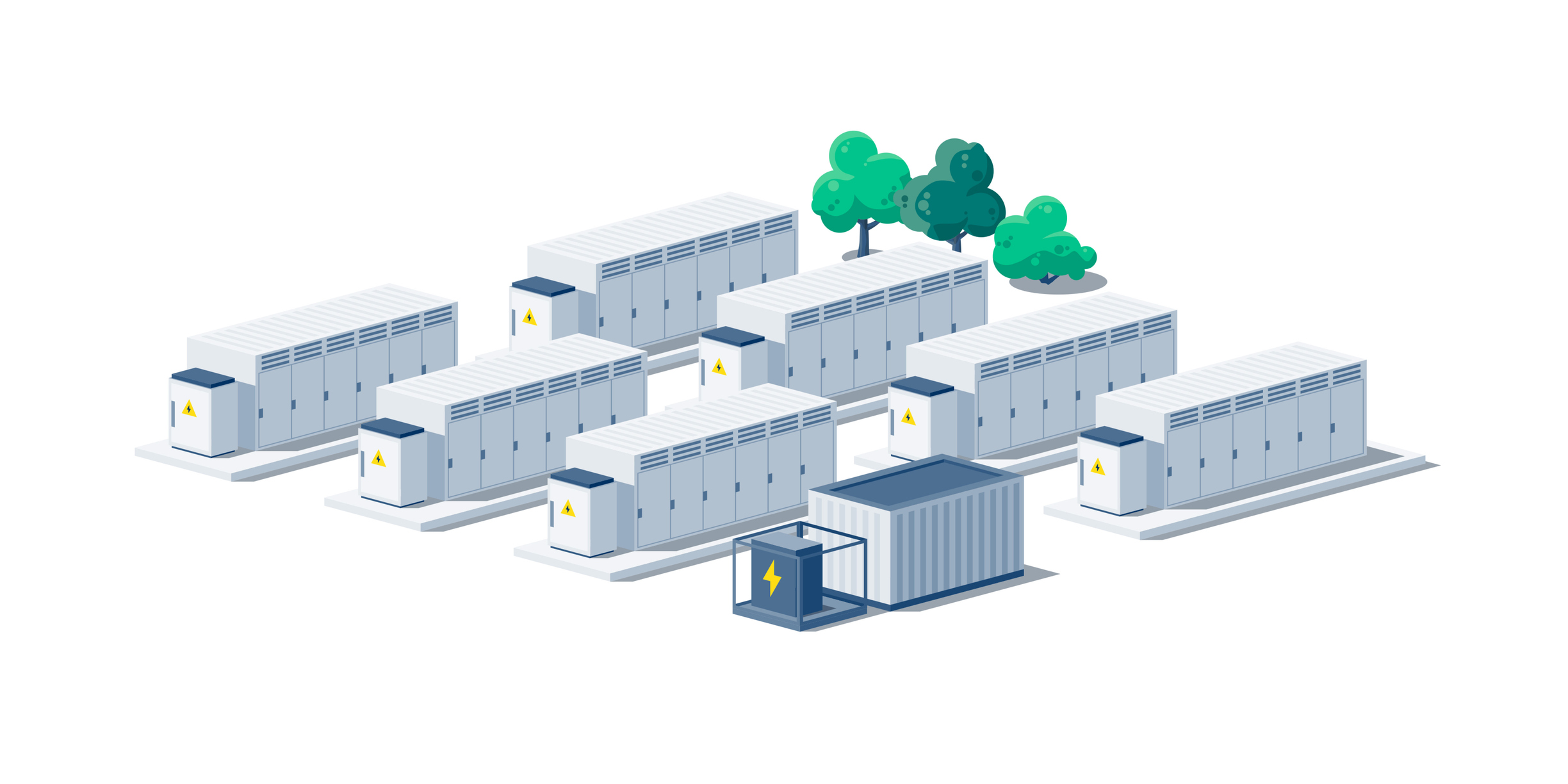
In Virginia—the data center capital of the world—local municipalities and cooperatives are turning toward battery power to weather the storm of rapidly rising demand, supply chain and tariff challenges, and erratic weather patterns and temperature extremes wreaking havoc on utilities and energy markets alike. In an effort to help better manage rising transmission and capacity costs, Blue Ridge Power Agency is set to deploy approximately 25 megawatts of battery storage for use in demand flexibility initiatives like virtual power plants (VPPs) or demand response.
The story here? Battery energy storage systems (BESS) have repeatedly proven useful in enhancing grid resiliency and lowering operational costs. For BRPA, this has resulted in the deployment of front-of-meter storage systems courtesy of Lightshift Energy, which provides grid operators with reliable distributed energy resources (DERs) assets for use in load management initiatives.
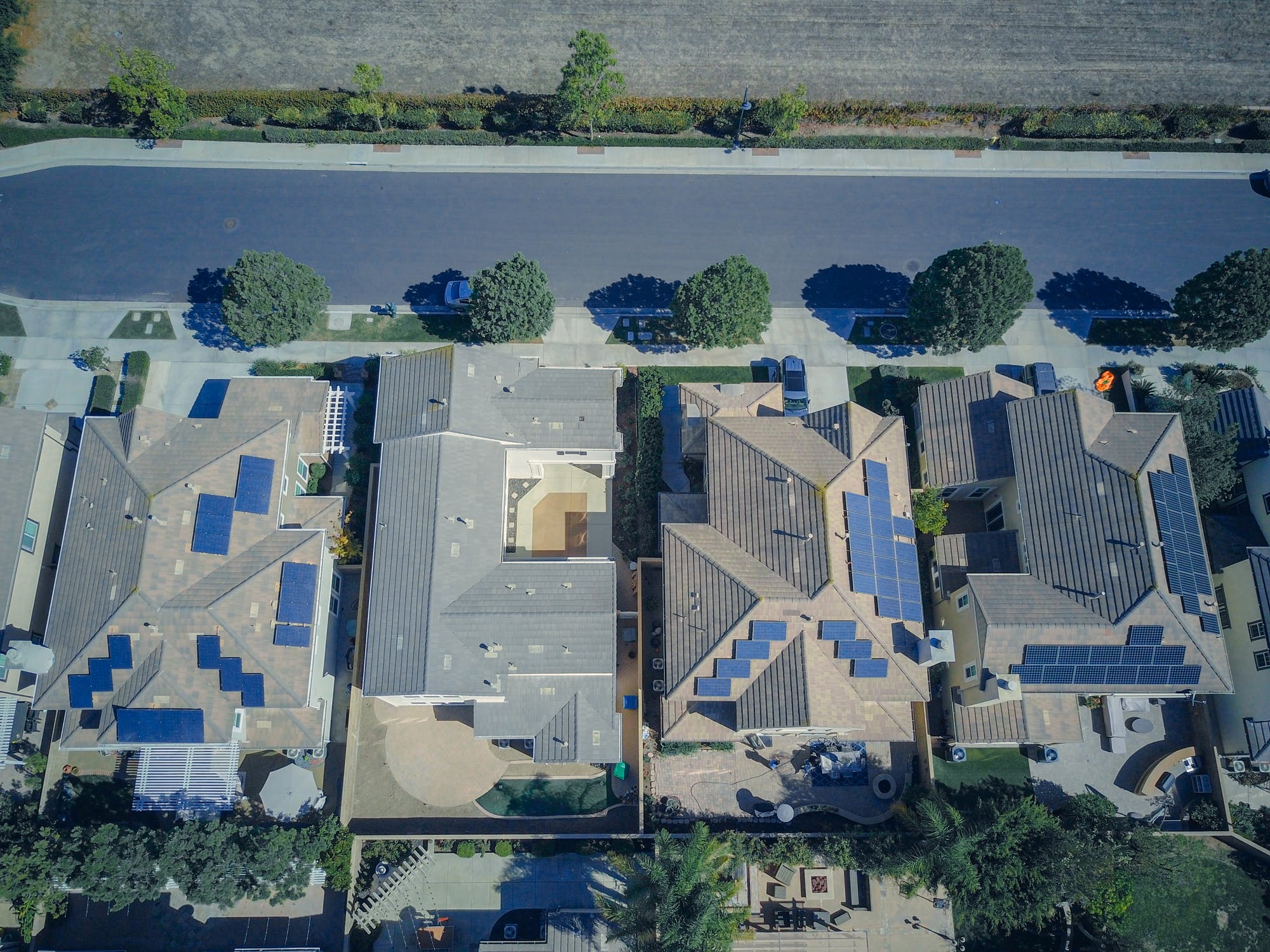
Simultaneously, the proliferation of behind-the-meter DERs found in places like residential, commercial, or industrial properties, including solar, battery energy storage systems (BESS), electric vehicles, EVSE chargers, and smart home devices like thermostats or water heaters present an opportunity for enterprising utilities to create a comprehensive DER strategy that addresses both utility-held and BTM DER assets.
The Grid & the State of the BESS Market
In 2025, the U.S. installed 18.9 gigawatts of battery energy storage capacity, a 52% increase over 2024. In 2026, analysts forecast a total capacity increase of 70 GWH, split between utility-scale, front-of-meter BESS assets and a burgeoning behind-the-meter market, as battery technologies continue to proliferate. This is supported by U.S. battery manufacturing efforts, which have increased by almost 140% between 2020 and 2025, driven initially by things like the Bipartisan Infrastructure Investment and Jobs Act and the Inflation Reduction Act, and now by the rapid load growth caused by the continued development and deployment of energy-intensive AI and data center projects.
This increase is simple: battery storage allows utilities to store cheaper, cost-effective energy generated at off-peak periods of consumption for usage during peak energy demand. Furthermore, batteries present an opportunity for utilities to defer expensive infrastructure upgrades by instead focusing on using aggregate load shift and battery arbitrage to better utilize existing resources.
Types of DERMS
As a distributed energy resource (DER), battery technologies are managed by distributed energy resource management systems (DERMS). Not all DERMS are created the same. For front-of-meter aggregation, grid operators turn to Grid DERMS, which manage utility-owned DER assets like solar or battery installations. By contrast, a Grid-Edge DERMS aggregates and manages BTM DER assets found at the grid’s edge: in residential, commercial, and industrial properties.
The Case for Front-of-Meter Batteries
By and large, front-of-meter assets provide a knowable, controllable, and reproducible output: grid operators can quickly identify their available energy assets and deploy them as needed with the certainty that they will achieve their desired load shifting or energy redistribution goals. Front-of-meter batteries support grid services like frequency regulation, which balances the available electric supply with the necessary demand to maintain a consistent output. Furthermore, since front-of-meter battery assets are predictable, they provide critical revenue streams while also presenting an opportunity for wholesale market arbitrage.
The Case for Back-of-Meter BESS
BTM batteries provide a helpful safety net to end-users in protecting against potential outages and mitigating consumer costs, similarly to front-of-meter DER assets: by storing power at cheaper times for use during peak periods of demand, which often involves accessing stored solar. For utilities, these increasingly common BTM battery systems are useful in aggregate load shifting or redistribution strategies during grid events, saving operational costs and enhancing grid resiliency. Through the use of a Grid-Edge DERMS, utilities can aggregate and manage BTM battery assets to redistribute stored energy or shift load to off-peak periods of usage.
– Syd Bishop, Sr. Content Specialist, Virtual Peaker
Although battery technologies provide data on their available stored energy, customer participation remains a significant variable in the efficacy of any demand flexibility event. Functionality like Topline Demand Control (TDC), a novel combination of the Shift Grid-Edge DERMS, forecasting software, AI, and model predictive control, optimizes BTM DER assets at a granular level, ensuring the desired output that grid operators need to meet demand at any given moment. Put differently: TDC optimizes BTM DERs to guarantee a reliable outcome every time.
Front-of-Meter (FTM) vs. BTM Storage Conclusion
While the use cases for front-of-meter and BTM battery assets are comparable, they each have their specific strategic values. For example, the U.S. Energy Information Administration (EIA) found that utility-scale, front-of-meter batteries are most often used for wholesale market price arbitrage. Likewise, the proliferation of BTM batteries in the consumer sector presents a valuable opportunity to shift load to off-peak periods of usage, in turn lowering peak energy market costs, while enhancing grid resiliency.
Fortunately, utilities are not beholden to any one strategic objective. With the right API integrations, utilities can combine both of their front-of-meter and BTM DER strategies under one umbrella, managing a comprehensive array of potential assets for load shifting, redistribution, and energy arbitrage. Especially as system variables like load, weather, or available resources shift to match real-world challenges, BTM batteries help prioritize energy independence, aggregate operational costs, and more, while front-of-meter DERs provide increased system dependability. Why choose just one?
Do you have the right Grid-Edge DERMS for your needs?