Latest at Virtual Peaker

Filter filter icon
  • Topic

  • Format

  • Reset
Your Control Room & Your Demand Flexibility Program Teams Want the Same Thing. They Just Haven't Met. It’s 4 p.m. on the hottest day of the year. The demand flexibility team is getting ready for its own event. Thousands of smart thermostats, batteries and EV chargers are enrolled and waiting. The event will go out system-wide at 5 p.m., because that's when the program calendar says it should. Meanwhile, in the control room, an operator watches a feeder on the east side of the service territory creep toward its limit. The options on the screen are familiar: switch load, call on utility-owned assets, or hope the temperature breaks. Will demand flexibility programs like demand response, EV charging, BYOD programs, or virtual power plants (VPPs) work? Both teams are working hard to protect the same grid on the same afternoon. Often, neither knows that a few hundred of those enrolled devices sit on the exact feeder the operator is worried about. That gap isn't a technology problem anymore. It's a conversation that hasn't happened yet. In This Article For Grid Operators For Program Managers What Each Team Needs From the Other Start the Conversation With These Questions Make the First Move FAQ Glossary of Terms: Key terms used in this article Conclusion: Why the next peak day is the right deadline For Grid Operators You have a network model, SCADA, and a clear view of every feeder and its constraints. What you don't have is a reliable way to use the devices your customers own. Those devices are already on your feeders. They show up as load, not as a resource. When you need relief on one circuit, a system-wide demand flexibility event is too blunt: it costs program goodwill everywhere to help one place. And if you can't verify how much load actually dropped, you can't plan around it. What you need is simple to say and hard to get on your own: dispatchable, verified capacity, placed on the feeder where you need it, that never gets in the way of a reliability call. For Program Managers You've done the hard part. You've engaged with and enrolled customers, integrated thermostats, batteries and EV chargers from multiple manufacturers, and built programs people stay in. You run events, measure the results and settle incentives. But your program is often judged on peak reduction alone, and it's usually dispatched on a calendar rather than on what the grid needs that hour. Every event asks something of your customers. When the event doesn't relieve a real constraint, that's a cost with less to show for it. What you need is a bigger job for the capacity you've already built: a role in grid reliability that justifies the program budget, while customers only get called when it counts. What Each Team Needs From the Other Each team holds something the other one is missing. Put side by side, the trade is clear. Grid Operations Needs Customer Programs Needs Visibility Device capacity by feeder, not just a system total Feeder topology, so events land where they help Dispatch A firm MW block for a set window. Topline Demand Control delivers a flat, predictable block instead of a spike and a rebound Dispatch requests with a MW target, a time window and a feeder Trust Telemetry that verifies the response, device by device A clear rule that grid needs come first, so program events never conflict with a reliability call Value Fewer devices called for the same relief Reliability value to justify program budgets and grow enrollment Effort No new screens or manual reconciliation in the control room No spreadsheets or phone calls to find out what operations needs Topline Demand Control matters most to operators because it changes what they can plan around. Instead of a demand flexibility event that drops sharply and then rebounds, they get a flat block of load reduction held across the window they asked for, shaped like any other resource they dispatch. Start the Conversation With These Questions You don't need to know the full scope of your demand flexibility goals to begin. You need one meeting and a few good questions. Need some tips to get started? Bring these to your counterpart. If you're in grid operations, ask the programs team: How many devices are enrolled today, and what types? Can you tell me which feeders those devices sit on? How quickly can you call an event, and how do you confirm it worked? Can you hold a steady MW reduction for a set window, or does load rebound? If you're in customer programs, ask the control room: Which feeders give you the most trouble on peak days? How much relief would make a difference on those feeders, and for how long? What would you need to see to trust a DR event as a grid resource? How would you want to send us a request, and how fast? Then answer one together: If our programs start supporting reliability, who owns the outcome and the budget? Make the First Move The next peak day is already on the calendar. The devices are enrolled, and the control room knows where the constraints are. The only thing missing is the two teams in the same room. Forward this post to your counterpart. Whichever side of the hall you're on, send it to the person on the other side with one line:

Your Control Room & Your Demand Flexibility Program Teams Want the Same Thing. They Just Haven’t Met.

It’s 4 p.m. on the hottest day of the year. The demand flexibility team is getting ready for its own […]

Amber Mullaney
Vice President of Marketing
Why Is Grid Modernization so Expensive?

Why Is Grid Modernization so Expensive?

Grid modernization is expensive and those costs are growing. Right now, utilities are replacing decades-old equipment, serving the fastest load […]

jeffquigley
Jeff Quigley
Sr. Vice President of Customer Solutions
Winter Is the New Summer: How Utilities Can Use Demand Flexibility to Manage Winter Peaks

Winter Is the New Summer: How Utilities Can Use Demand Flexibility to Manage Winter Peaks

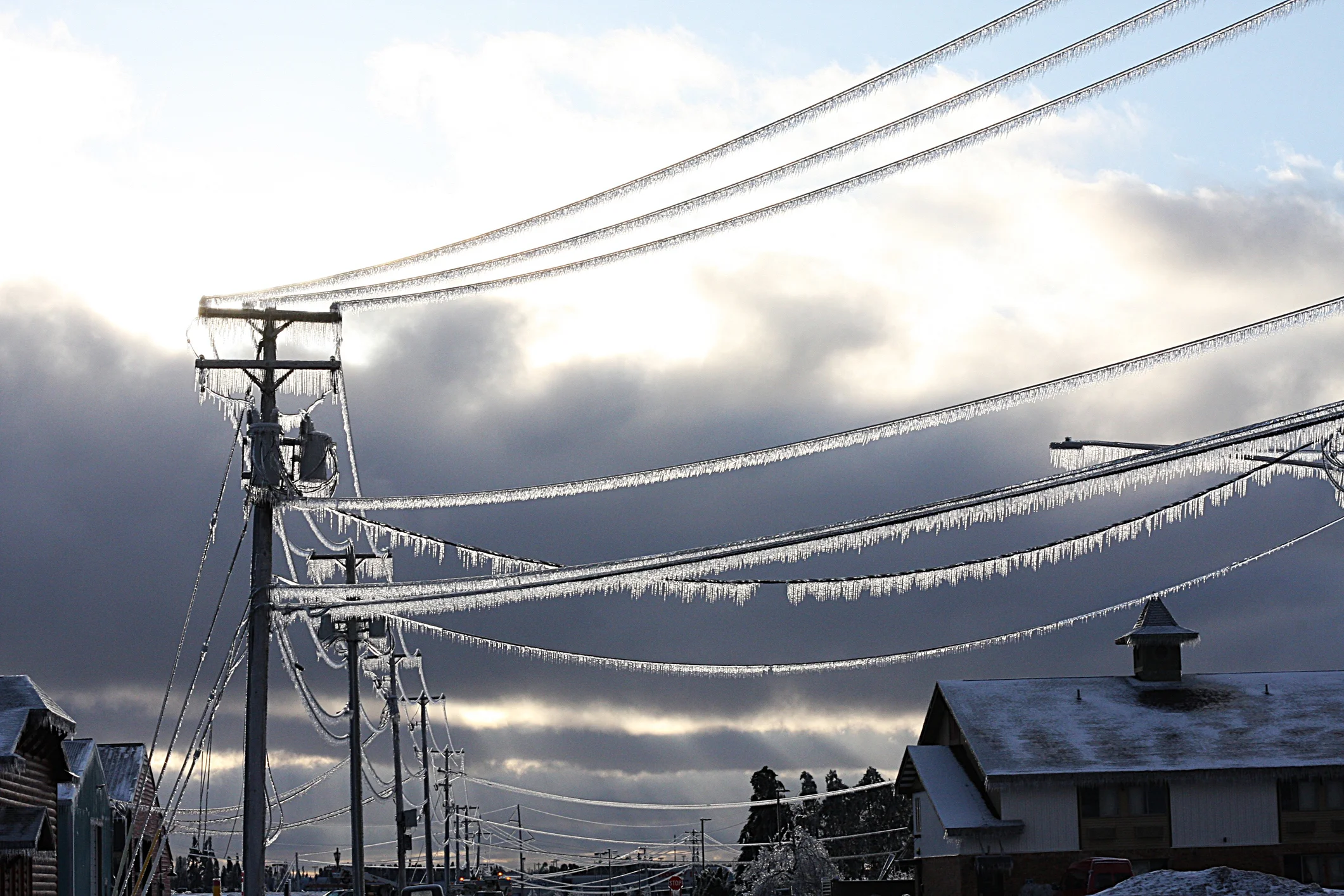
Since electric utilities began, utility planners have known when to brace for trouble: the hottest weekday afternoons during the summer. […]


Syd Bishop 1
Syd Bishop
Senior Content Specialist
Transparency is Key: Utility Customers Want to Know

Transparency is Key: Utility Customers Want To Know

Utility customers are the households and businesses that buy electricity, gas, or water from a utility. In 2026, what they […]

Amber Mullaney
Vice President of Marketing
Energy Arbitrage for the Masses: How Small Utilities Can Win in Big Markets

Energy Arbitrage for the Masses: How Small Utilities Can Win in Big Markets

Wholesale power on America’s largest grid averaged $136.53 per megawatt-hour in the first quarter of 2026, up from $77.78 a […]

Syd Bishop 1
Syd Bishop
Senior Content Specialist
Grid-Edge DERMS

The Difference Between Grid-Edge DERMS & Grid DERMS

Grid DERMS and Grid-Edge DERMS both manage distributed energy resources (DERs), albeit on opposite sides of the meter. A Grid […]

Amber Mullaney
Vice President of Marketing
Relying on BTM Distributed Energy Resources (DERs) is Nothing To Fear: Addressing 8 Common Challenges For Utilities

Relying on BTM Distributed Energy Resources (DERs) is Nothing To Fear: Addressing 8 Common Challenges For Utilities

Behind-the-meter (BTM) distributed energy resources (DERs) like smart thermostats, water heaters, home batteries, EV chargers, and rooftop solar are already […]


Virtual Peaker Team
Virtual Peaker Team
53% More Firm Capacity: Closing the Gap in Demand Response’s Final Hour

53% More Firm Capacity: Closing the Gap in Demand Response’s Final Hour

For as long as utilities have used smart thermostats for demand flexibility programs like demand response, BYOD programs, or, more […]

Stacia Secreriat 3
Stacia Secreriat
Digital Marketing Manager
Water Heaters Aren't Just a Demand Flexibility Resource, They're a Portfolio Multiplier

Water Heaters Aren’t Just a Demand Flexibility Resource, They’re a Portfolio Multiplier

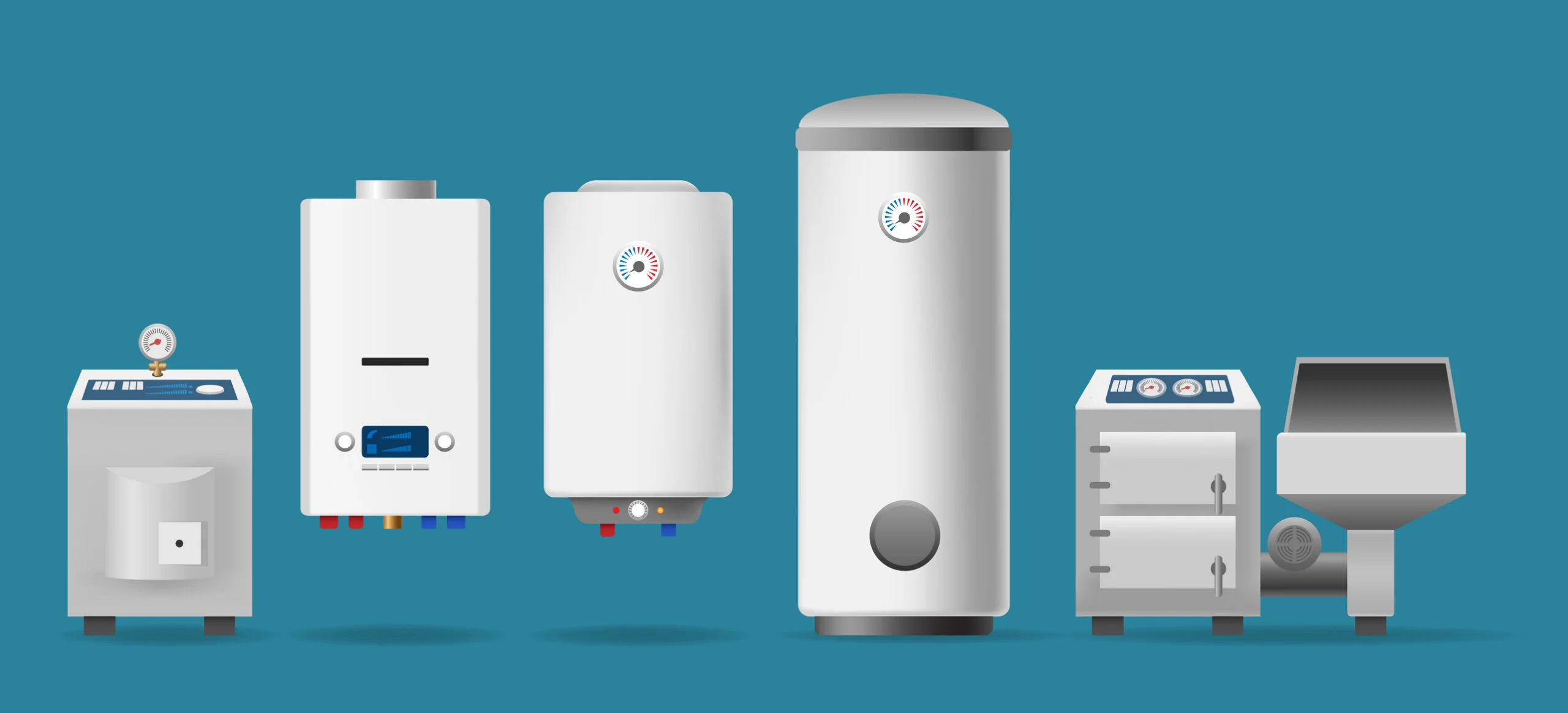
Smart water heaters represent an underused opportunity for use in demand flexibility programs. Since water heater tanks store heat for […]

Syd Bishop 1
Syd Bishop
Senior Content Specialist
Energy Arbitrage

Buy Low, Use High: Energy Arbitrage Explained

Energy arbitrage is the practice of storing or buying electricity when prices are low and using or selling it when […]

Amber Mullaney
Vice President of Marketing
9 Hidden Costs of Staying with Legacy Direct Load Control (DLC) Systems vs. a Grid-Edge DERMS

9 Hidden Costs of Staying with Legacy Direct Load Control (DLC) Systems vs. a Grid-Edge DERMS

With electric demand spiking, demand flexibility initiatives like demand response, virtual power plants, BYOD programs, or EV charging are critical […]
Virtual Peaker Team
Virtual Peaker Team
Distribution Constraint Management

Distribution Constraint Management Made Easy: What is Localized Dispatch?

Distribution constraint management is the practice of keeping feeders, transformers, and substations within their thermal and voltage limits by coordinating […]

Syd Bishop 1
Syd Bishop
Senior Content Specialist

Connect

Learn More About How Our Tech Can Help You.

We’re empowering modern utilities to accelerate grid modernization using the friendliest distributed energy resources platform on the planet.

Let’s Chat