Platform
 Grid-Edge DERMS
 Customer Engagement
 Demand Forecasting
 BYOD
BYOD Customer Engagement
 Demand Response
 EV Charging
 Incentive Processing
 Program Design
 Program Management Automation
 Localized Dispatch
 Virtual Power Plants
 API Integrations
 C&I
C&I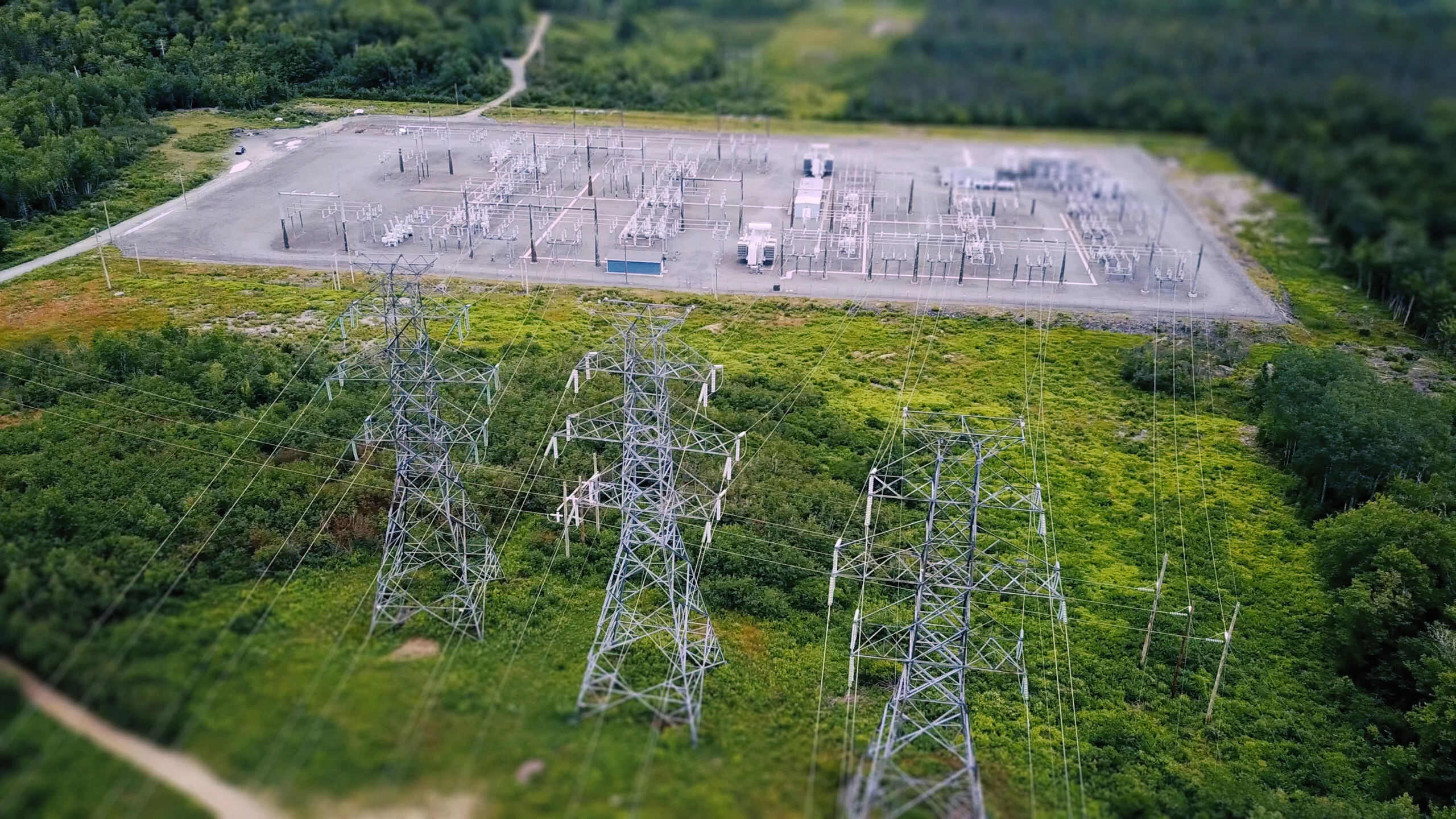
To meet rising demand and effect feeder-level dispatch, Grid-Edge distributed energy resource management systems (DERMS) provide ops teams the localized dispatch to target the constraint — not the whole system. For example, when a single overloaded feeder can cascade into outages, broad system-wide demand flexibility initiatives including demand response, EV charging, and virtual power plants (VPPs) aren’t enough.
Fortunately, Grid-Edge DERMS can help. Read on to learn how.
What’s in this article
- The problem with system-wide demand flexibility during localized stress
- Q&A: What feeder-level dispatch actually looks like in practice
- Three core capabilities your DERMS needs for locational constraints
- Glossary of key terms for distribution grid ops
- Questions to ask your DERMS vendor
Feeder-Level Dispatch & Grid-Edge DERMS: The Core Problem
For utilities managing aging distribution infrastructure, peak load events aren’t just an operational headache, they’re a growing liability. When a feeder hits its limit, the margin for error is razor-thin. The question isn’t whether you have the right demand flexibility solution. It’s whether your demand flexibility solution is precise enough to matter.
Broad, system-wide curtailment can reduce aggregate load — but it can’t protect the specific feeder that’s about to trip. Locational constraints require locational solutions.
Q & As About Feeder-Level Dispatch & Grid-Edge DERMS
For utilities starting to leverage Grid-Edge DERMS for feeder-level dispatch, it’s tough to know where to get started. Below are a few common questions to help.
Q: What is feeder-level dispatch, and why does it matter for distribution ops?
A: Feeder-level dispatch means directing distributed energy resources (DERs) like batteries, EV chargers, smart thermostats, or behind-the-meter generation to respond at a specific point in the distribution network, not across the entire service territory. It matters because constraints on distribution systems are almost always location-based. An overloaded feeder in one neighborhood doesn’t benefit from demand reduction three substations away. Precision dispatch gets the relief to the right place.
Q: How does a Grid-Edge DERMS differ from a traditional DERMS or utility SCADA system?
A: A traditional DERMS or SCADA system typically operates at the bulk system or substation level, managing aggregate dispatch and monitoring. A Grid-Edge DERMS is designed to resolve constraints at the distribution edge — down to the feeder, zone, or even device level. It can coordinate DERs downstream of a specific point of constraint, which is where real distribution-level stress occurs.
Q: Can I run multiple programs simultaneously across different zones without disrupting other areas?
A: Yes! This is one of the key capabilities of a mature Grid-Edge DERMS platform. You should be able to run an EV charging management program in one feeder territory, a demand response event in another, and a bring-your-own-device (BYOD) program in a third — all from a single platform, simultaneously. Siloed or sequential dispatch creates unnecessary customer disruption and misses the value of coordinated DER portfolios.
Q: What does “isolating by region or zone” mean in practical ops terms?
It means your DERMS can scope a dispatch event to a specific substation territory, neighborhood boundary, or distribution zone — without triggering resources elsewhere in your footprint. Practically, this translates to: fewer unnecessary customer-impacting events, better targeting of constrained infrastructure, and the ability to preserve program capacity in unaffected areas for future use.
Q: How does feeder-level dispatch help with aging infrastructure specifically?
Aging infrastructure often has feeders with reduced thermal headroom — lines that were sized for load profiles that no longer reflect today’s electrification demands. Rather than upgrading every circuit, feeder-level dispatch lets ops teams use DERs as a software-defined buffer: reduce load at the right time, in the right place, to keep aging assets within safe operating limits while capital planning catches up.
Q: What should I look for when evaluating Grid-Edge DERMS vendors for locational constraint management?
Ask whether the platform can dispatch to a specific feeder or substation territory — not just a system-wide event. Ask whether simultaneous multi-program coordination is supported. Ask how the system handles DERs from different programs (utility-owned vs. customer-enrolled vs. third-party aggregators) within the same dispatch event. And ask about integration with your existing ADMS or SCADA for real-time constraint visibility.
Three capabilities to look for:
| Feeder-level targeting | Zone or region isolation | Multi-program coordination |
|---|---|---|
| Dispatch DERs downstream of a specific point of constraint without affecting the rest of the system. | Direct relief to a specific substation territory or neighborhood — not your entire service territory. | Run EV charging, demand response, and BYOD programs simultaneously across different zones from one platform. |
Feeder-Level Dispatch & Grid-Edge DERMS: Get Relief Where Your Grid Needs It Most: Conclusion
By leveraging Grid-Edge DERMS to shift load to off-peak periods of usage through demand flexibility initiatives, utilities can enhance their opportunities for feeder-level dispatch to defer costly infrastructure upgrades. Simultaneously, these strategies can minimize customer disruptions, while enhancing grid resiliency and decreasing aggregate operational costs.
Glossary of terms
- Distributed Energy Resource Management System (DERMS) – Software that coordinates and optimizes DERs across a utility’s distribution network to meet grid needs.
- Grid-Edge DERMS – A DERMS platform designed to operate at the distribution edge — resolving feeder and substation-level constraints, not just bulk system dispatch.
- Distributed Energy Resource (DER) – Any small-scale energy asset located on or near the distribution grid — including batteries, EV chargers, rooftop solar, smart thermostats, and backup generators.
- Feeder – A medium-voltage distribution line that carries power from a substation to end customers. Feeders can become overloaded during peak demand periods.
- Point of Constraint – A specific location on the distribution network — often a feeder, transformer, or substation — where thermal or voltage limits are at risk of being exceeded.
- Locational Dispatch – Dispatching DERs in a geographically targeted way to address a constraint at a specific point on the grid rather than system-wide.
- Demand Response (DR) – A program that incentivizes or directs electricity customers to reduce or shift consumption during peak periods to relieve grid stress.
- Bring-Your-Own-Device (BYOD) Program – A utility program that enrolls customer-owned devices (smart thermostats, EV chargers, batteries) into grid services programs.
- Advanced Distribution Management System (ADMS) – Software that provides real-time monitoring, switching, and control of distribution network operations.
- Thermal Headroom – The remaining capacity on a conductor or transformer before it reaches its thermal rating — the physical limit at which equipment may be damaged or automatically trip.
- Service Territory – The geographic area a utility is authorized and obligated to serve. System-wide DR events affect the entire territory; locational dispatch targets a subset.
Key takeaways
- System-wide demand response cannot protect a specific overloaded feeder.
- Grid-Edge DERMS enables dispatch at the feeder, zone, or substation territory level.
- Multi-program coordination from one platform minimizes customer disruption while maximizing targeted grid relief.
- For aging infrastructure, precision dispatch is a software-defined alternative to capital-intensive grid upgrades.
- Is your DERMS precise enough? Ask your platform vendor whether it can dispatch at the feeder level — and whether it can run simultaneous, zone-isolated programs across your service territory.
Targeted Localized Electric Dispatching Made Easy